
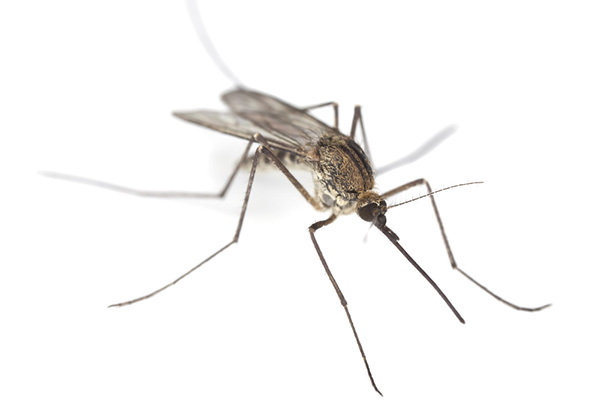
Health Director Alert Message Aug 31, 2023: Mosquito samples tested positive for West Nile Virus in Middlesex and Suffolk Counties (Framingham/Boston areas). As a result, the risk level for West Nile Virus in the Town of Wayland was raised from low to moderate, Wayland remains at low risk for EEE (Eastern Equine Encephalitis). We should all be prepared to use mosquito repellents with an EPA-registered active ingredient, observe peak mosquito activity at dusk and dawn, and follow news alerts regarding mosquito-borne illness. The Health Department will monitor the situation in Wayland and any new data we receive from the state. *We ask that you check your yard for items that can collect water and harbor mosquito breeding.
What to do in your yard to prevent mosquito breeding:
- Mosquito proof your home and drain standing water in your yard
- Containers where mosquitoes commonly lay eggs include neglected swimming pools, water in loose-fitting pool covers or tarps, unscreened rain barrels, rimless tires, and plastic toys, flower pots, trash barrels/containers. Check rain gutters, including all fittings and drains.
- Tires should be disposed of properly or stored inside.
- Rubbish barrels, wheelbarrows and small boats should be covered or stored upside down.
- The water in wading pools and birdbaths should be changed weekly.
- Infrequently used pools should be covered or properly maintained.
- Some mosquitoes like to come indoors. Keep them outside by having tightly-fitting screens on all of your windows and doors. Fix any holes in screens and screen doors and replace worn weather stripping.
- Keep the grass in your yard cut short and shrubs trimmed.
- Once a week empty and scrub, turn over, cover or throw out any items that hold water.
- Rainwater or rain/collection barrels tips:
- Always use a mosquito-proof screen to seal and cover the rain barrel or other water-saving container. Mosquito-proof screen is a very fine mesh, usually 1/16 of an inch. If the barrel is covered, this will reduce the likelihood of mosquitoes becoming a problem.
- If the barrel is holding a lot of water consider mosquitofish, or consider treating with products containing Bti (always read the product label and use according to the instructions).
- Keep the rain barrel lid and connectors sealed to help keep bugs out.
- Be sure to always remove the water that pools at the top of the barrel at least once or twice a week.
- If possible, place your barrel on a surface that will soak up any water that overflows so it doesn’t pool and create a mosquito habitat.
- Regularly inspect your rain barrel system. Check for cracks or leaks. Be sure that all fittings and seals are intact and that no water accumulates on the ground around the barrel.
- Clean the barrel on a regular basis. Drain it completely and clean it out at least twice a year.
Be aware of peak mosquito hours:
- The hours from dusk to dawn are peak biting times for many mosquitoes. Mosquitoes are more active in damp, shady areas, during cloudy humid days, and at night. Take extra care to use repellent and protective clothing, and/or avoid these areas and times of day where mosquitoes are more prevalent.
- There are some emerging mosquito species that are out and active during the day. Be sure to protect yourself and family members during the day also.
Wear protective clothing:
- Clothing can help reduce mosquito bites. Although it may be difficult to do when it’s hot, wearing long-sleeves, long pants and socks when outdoors will help keep mosquitoes away from your skin.
- Cover up the arms and legs of children playing outdoors. Baby carriages and playpens should be covered with mosquito netting.
Apply insect repellent when you go outdoors.
- Use a repellent with DEET (N, N-diethyl-m-toluamide), permethrin, picaridin (KBR 3023), IR3535 (3-[N-butyl-N-acetyl]-aminopropionic acid) or oil of lemon eucalyptus [p-menthane 3, 8-diol (PMD)].
- DEET products should not be used on infants under two months of age and should be used in concentration of 30% or less on older children.
- The Center for Disease Control has recently listed Oil of lemon eucalyptus as providing protection against mosquitoes, however, it should not be used on children under three years of age.
- Permethrin products can be effective but are intended for use on items such as clothing, shoes, bed nets and camping gear and should not be applied to the skin.
- Protect pets and horses from mosquito bites.
- Always read and follow the instructions on the label of any repellent. More information on choosing and using repellents safely is listed below.
For further information on WNV or EEE, log unto the Massachusetts Department of Public Health web site at: https://www.mass.gov/mosquito-borne-diseases
- https://www.mass.gov/info-details/massachusetts-arbovirus-update#eee-and-wnv-risk-level-by-city/town-
- https://www.mass.gov/lists/arbovirus-surveillance-plan-and-historical-data
- www.mass.gov/mosquitoesandticks
If residents have any questions about mosquitoes or how to control them: the East Middlesex Mosquito Control Project can be reached at:
Choosing and using repellents safely:
- https://www.epa.gov/insect-repellents
- http://www.cdc.gov/westnile/faq/repellent.html
- https://www.cdc.gov/easternequineencephalitis/
The National Pesticide Information Center (NPIC) toll free at 1-800-858-7378 or http://npic.orst.edu/index.html.
Julia Junghanns, R.S., C.H.O.
Director of Public Health
